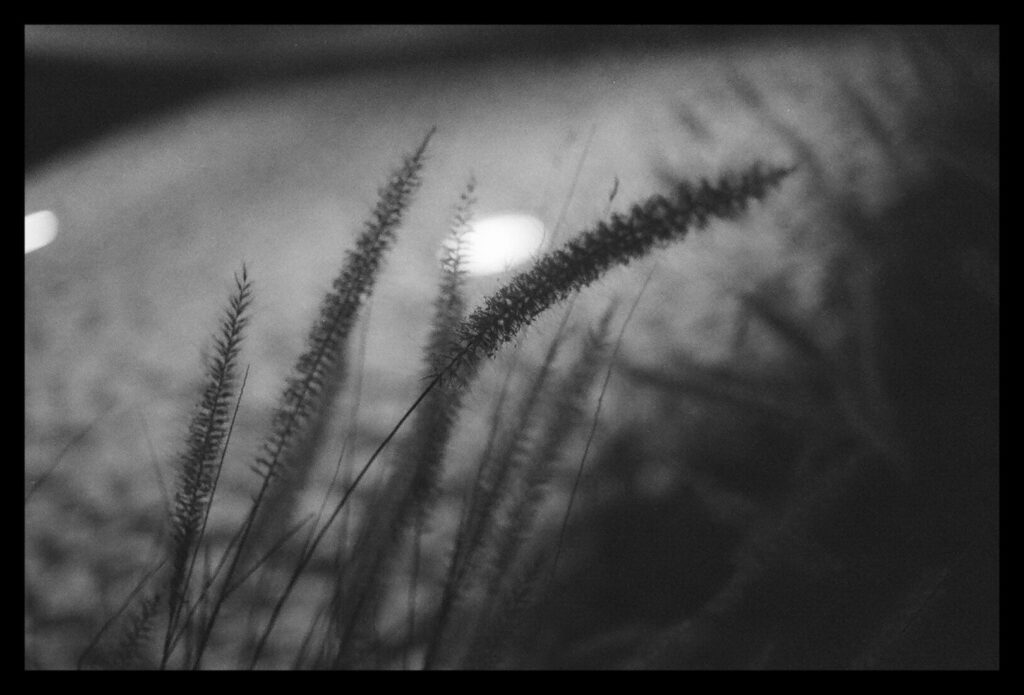
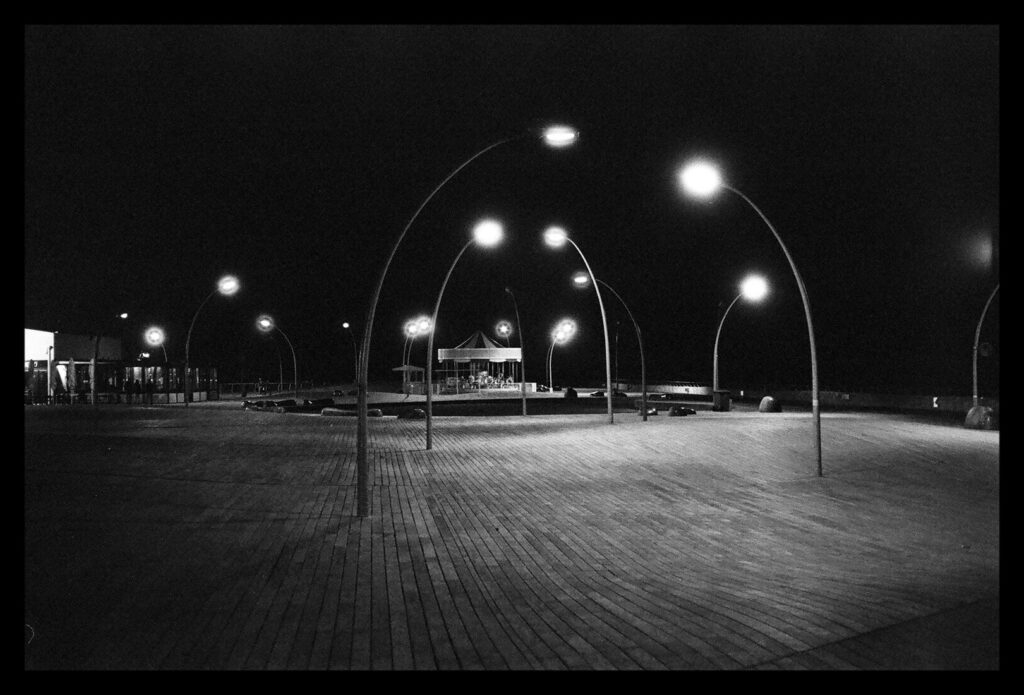
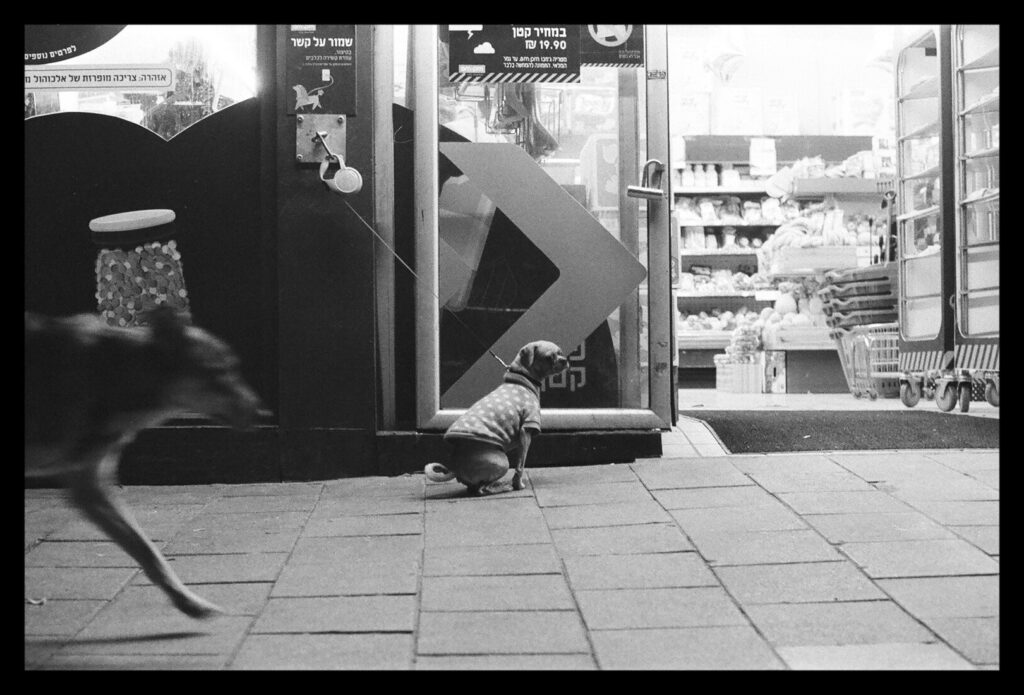
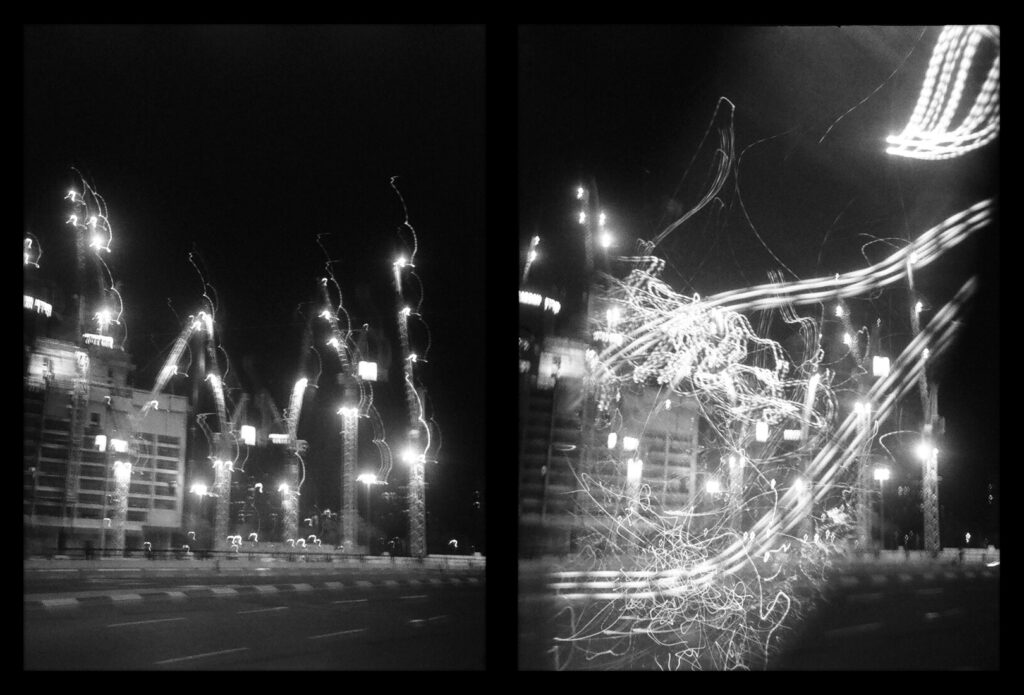
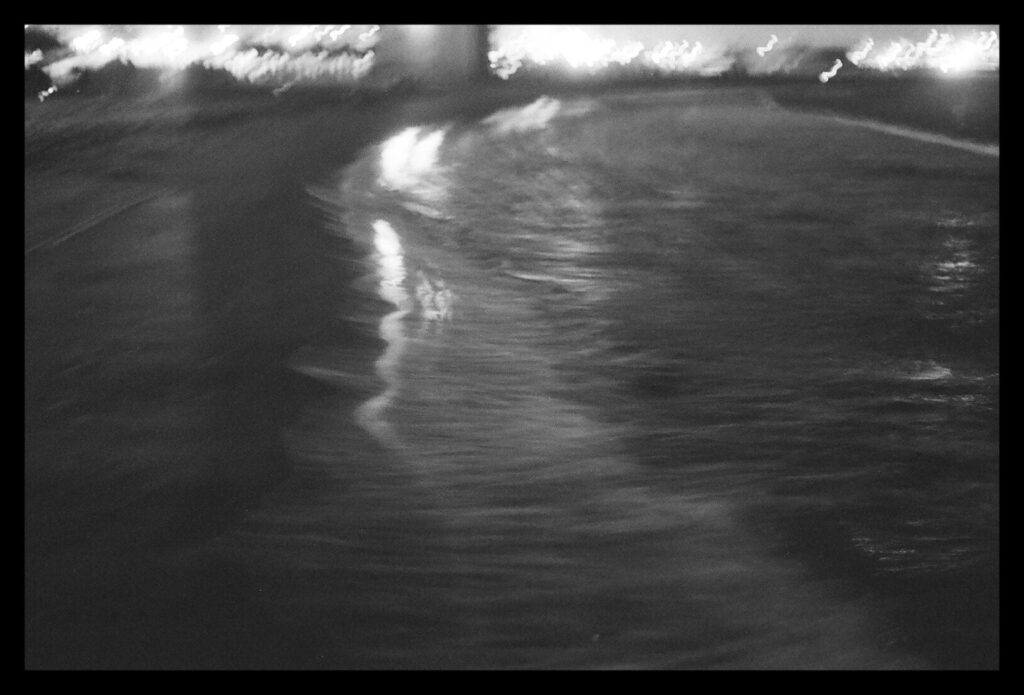
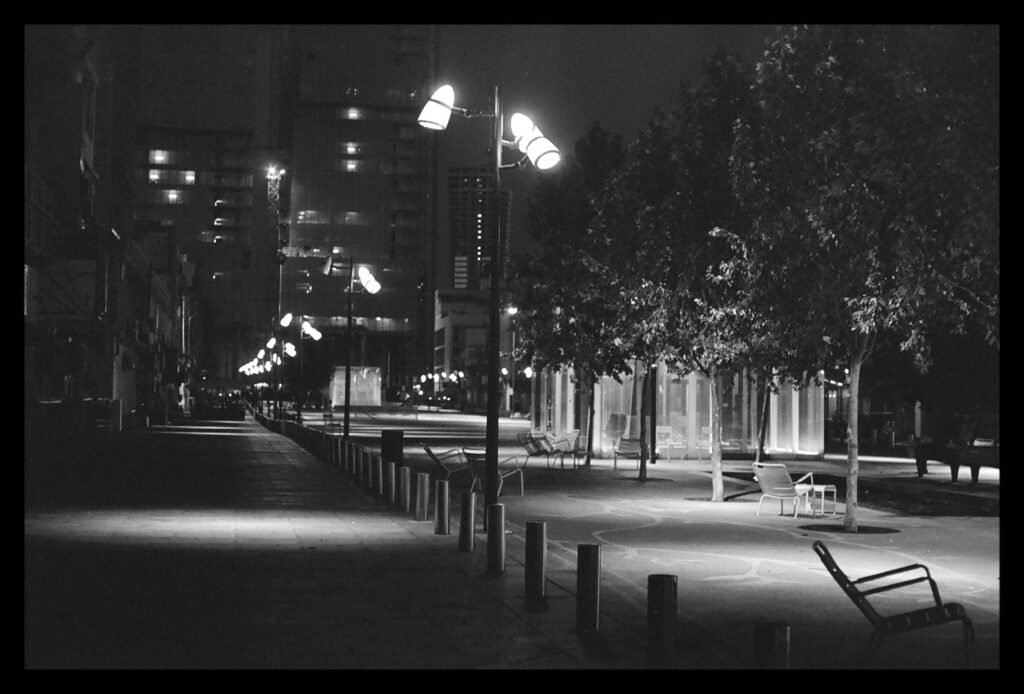
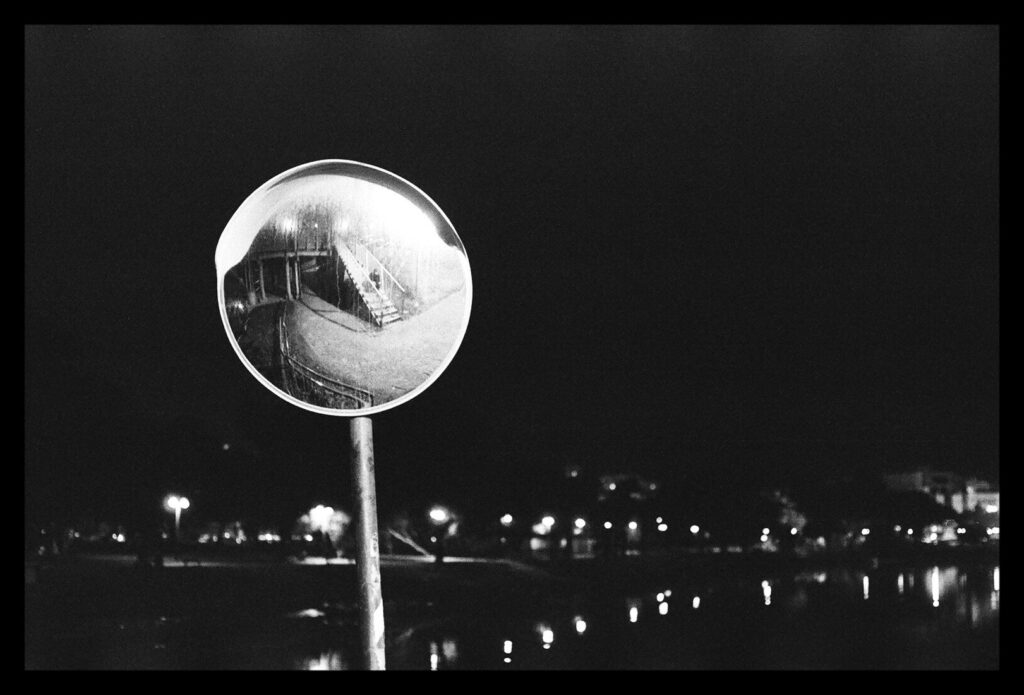
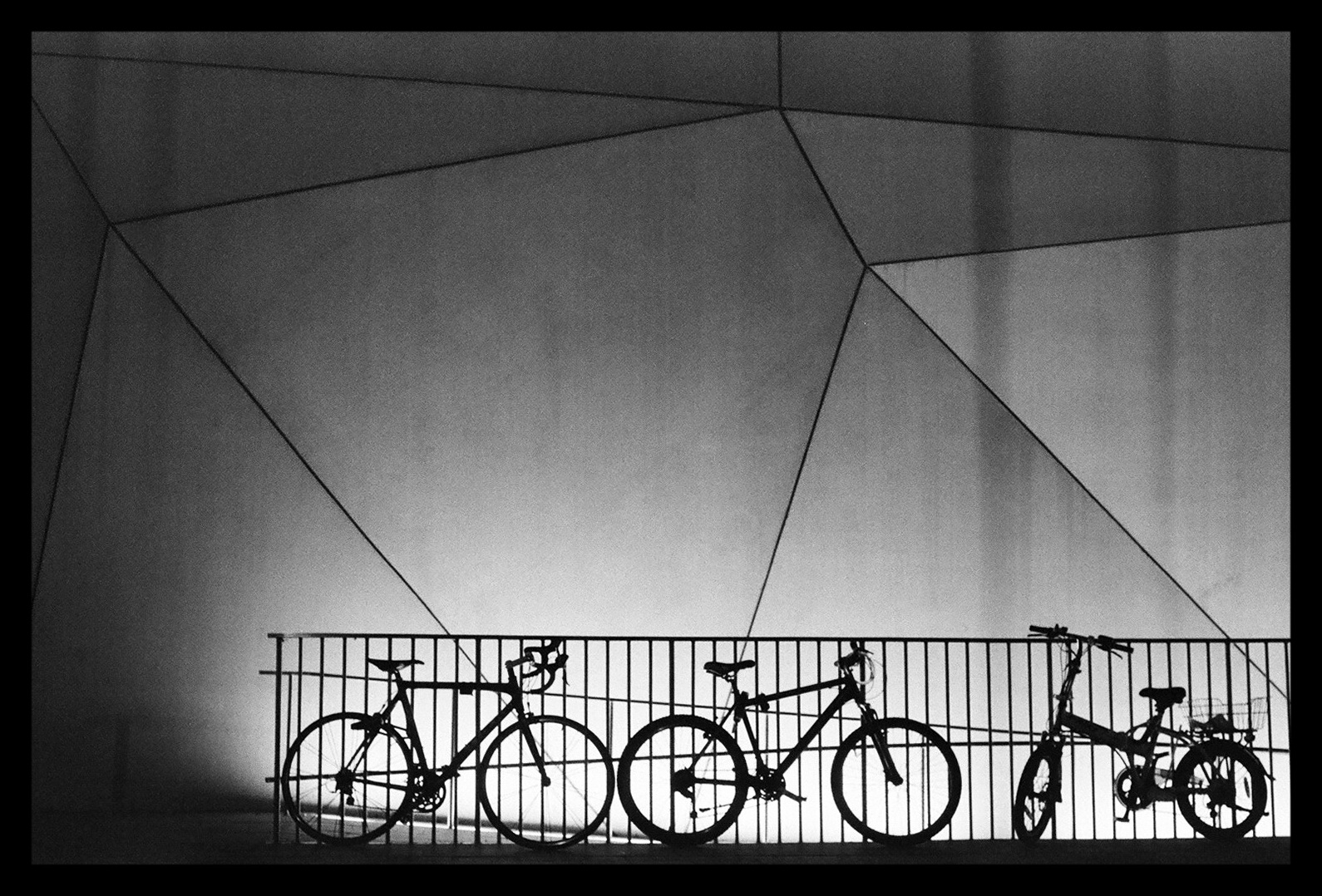
This is a project that I worked on as part of the course |The photographer’s voice”, in Zilum Baam school of photography.
Just as I was…
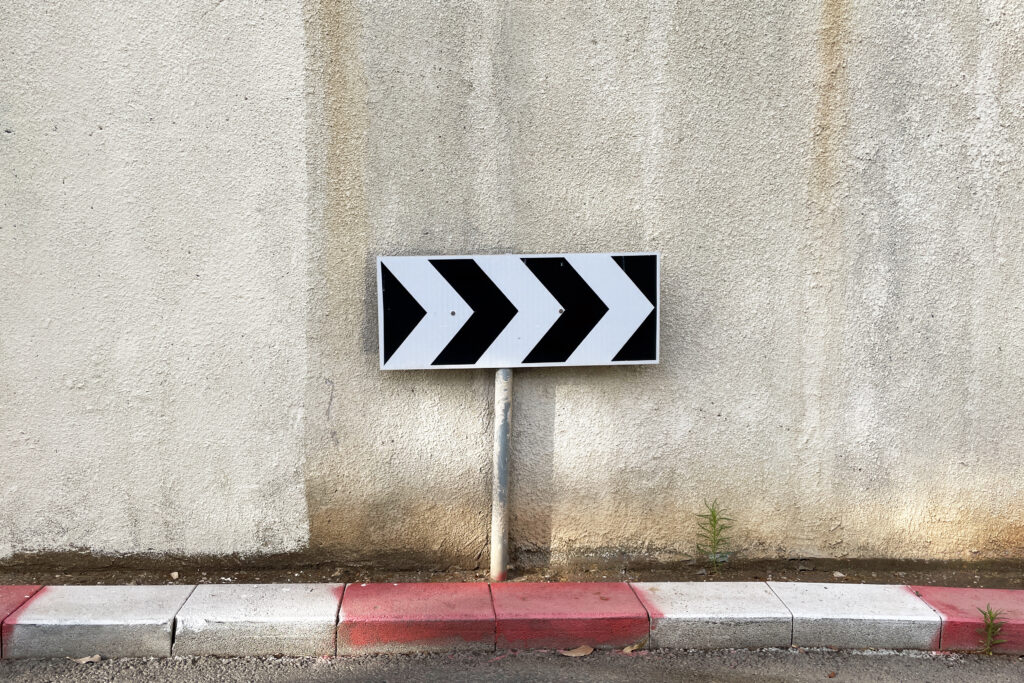
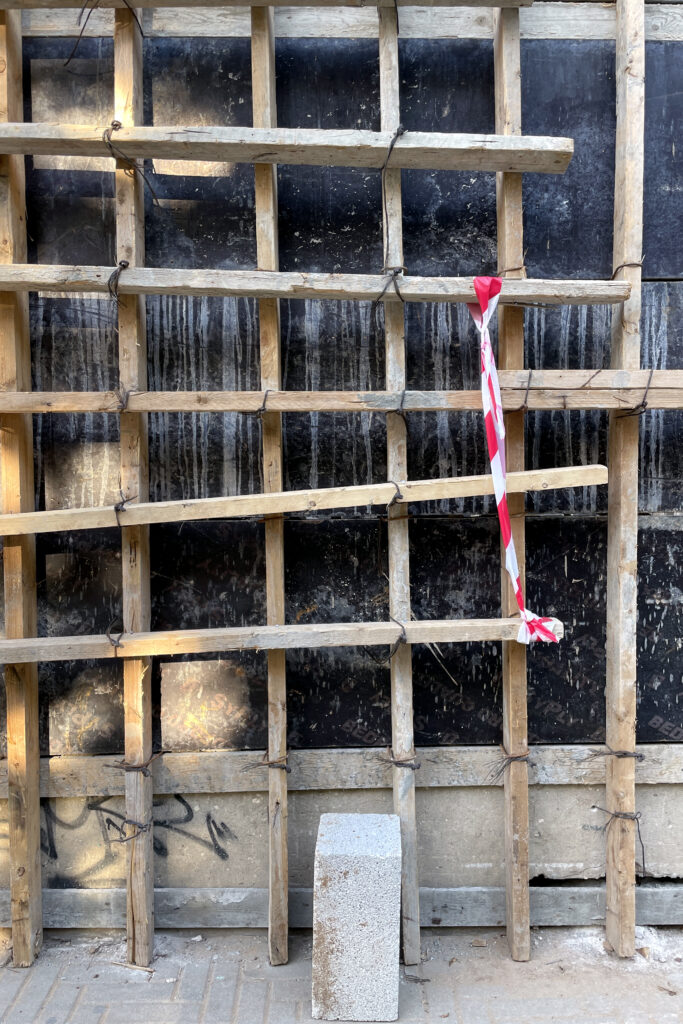
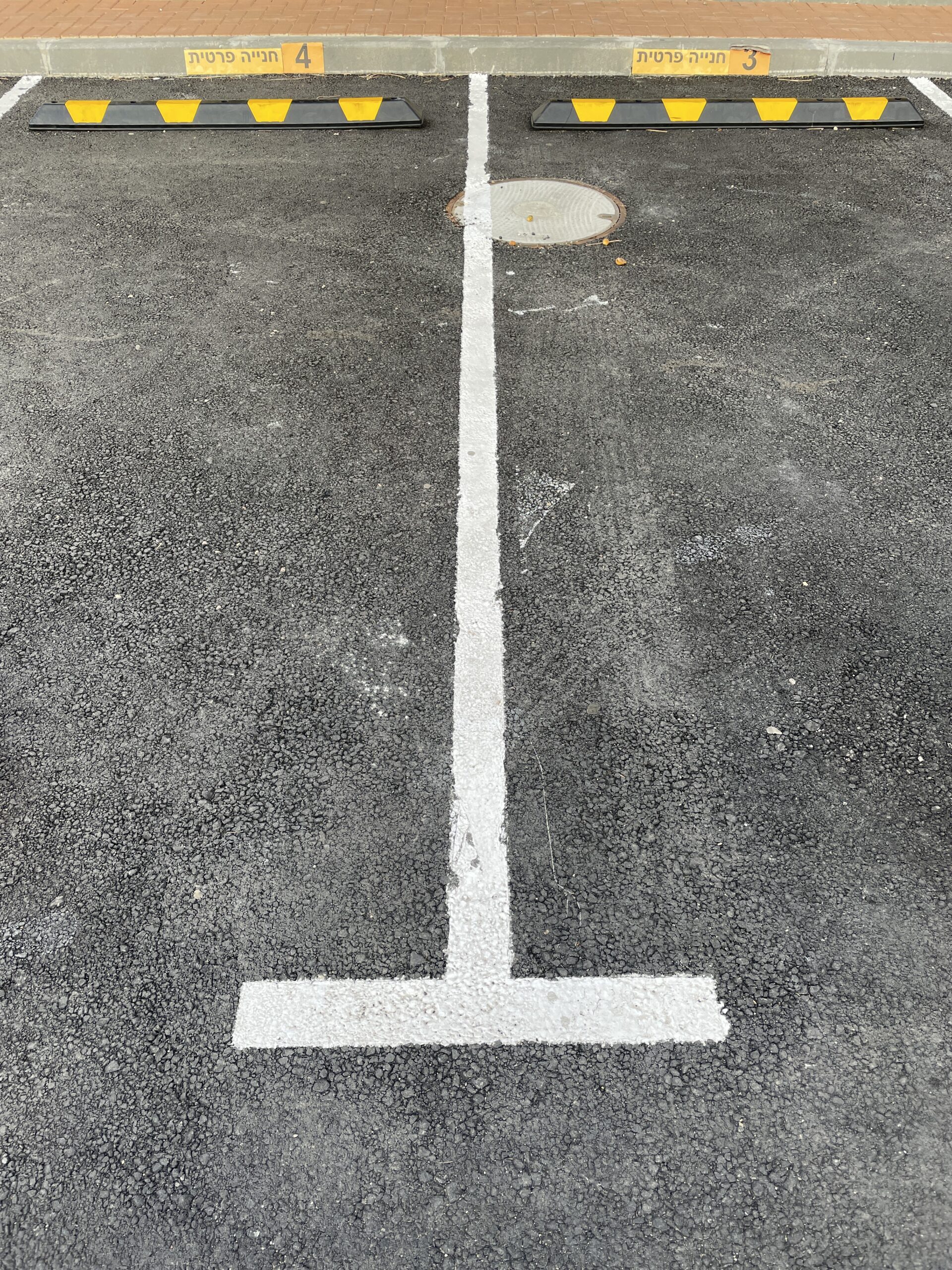
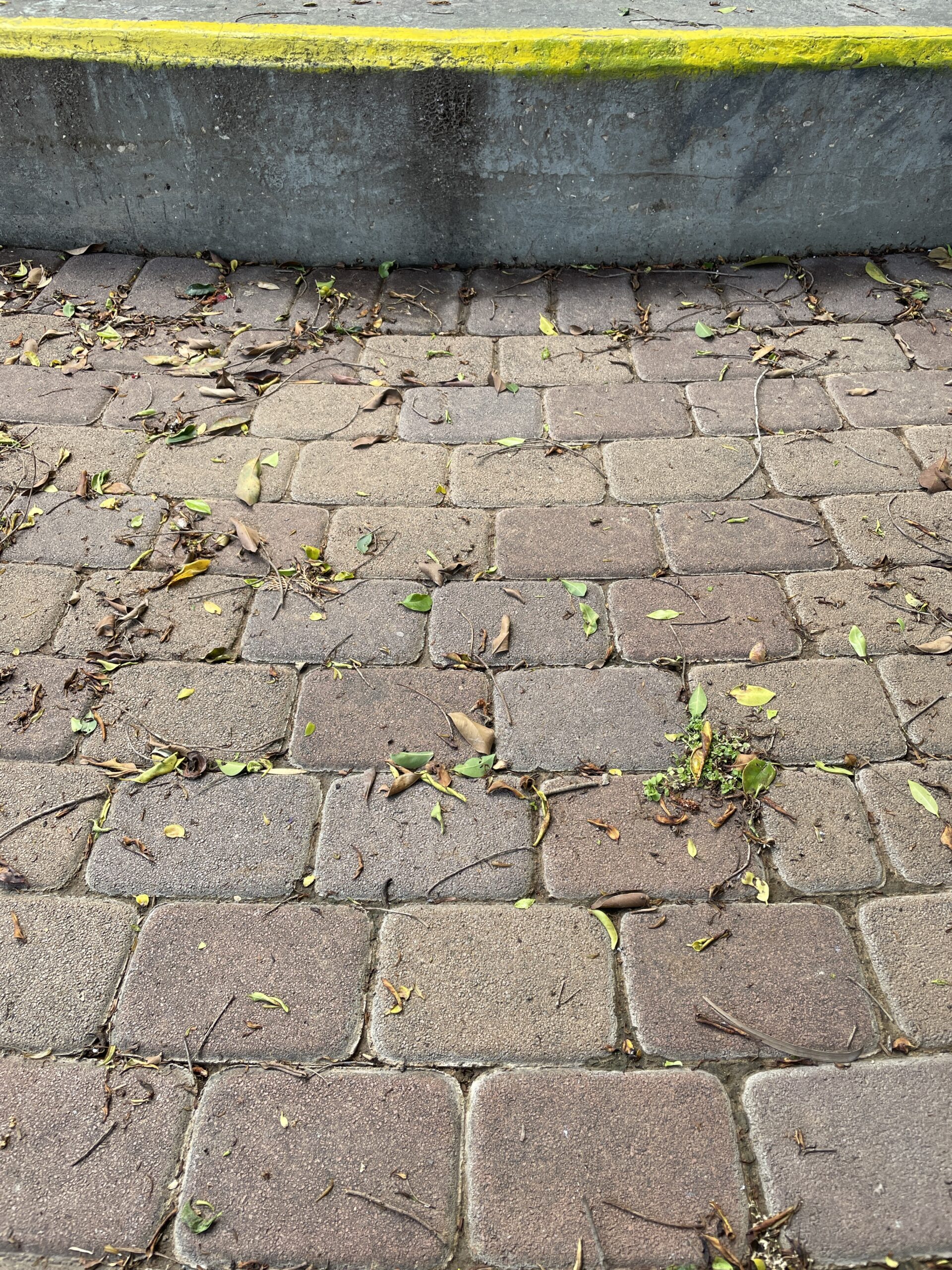
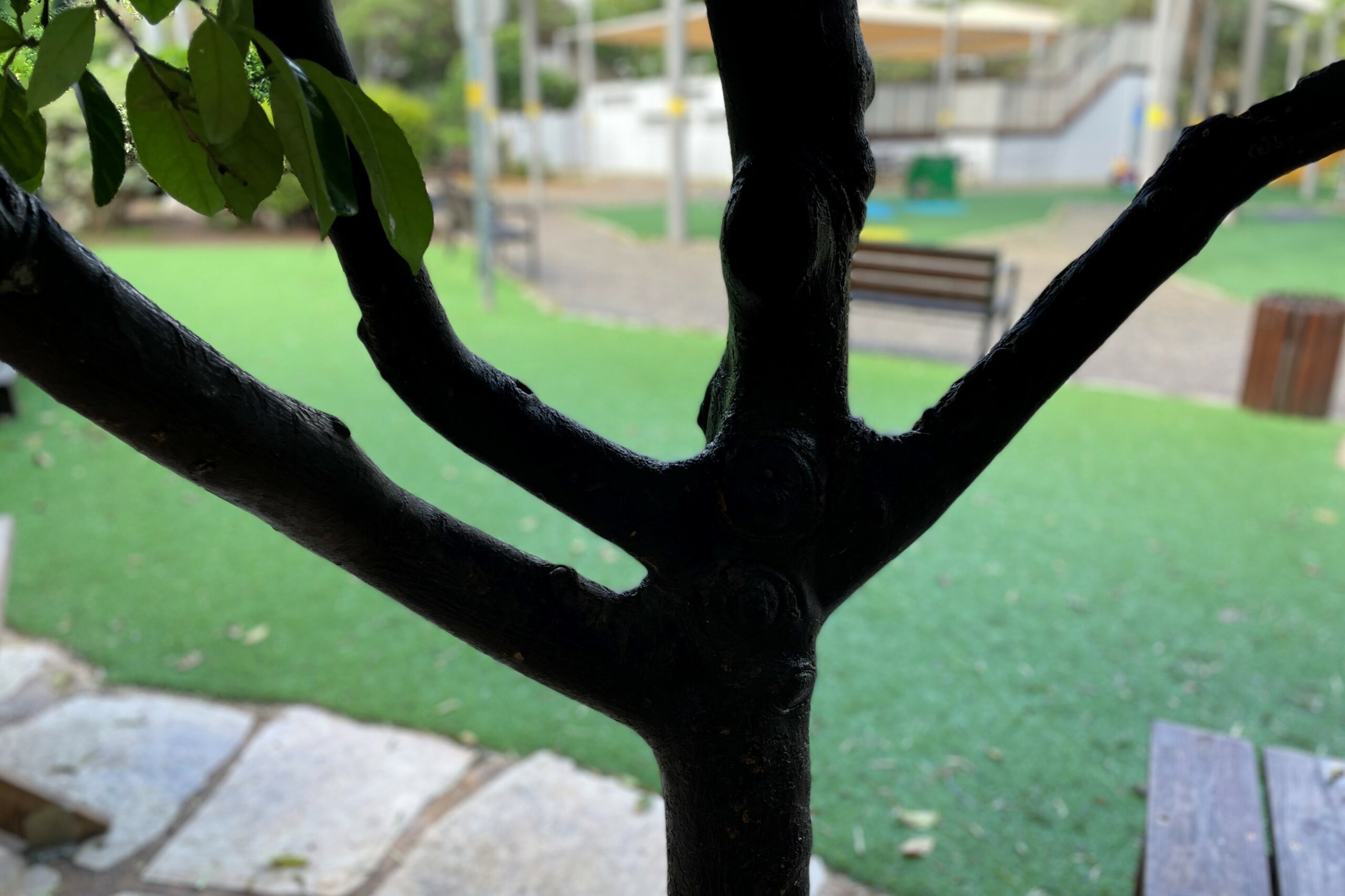
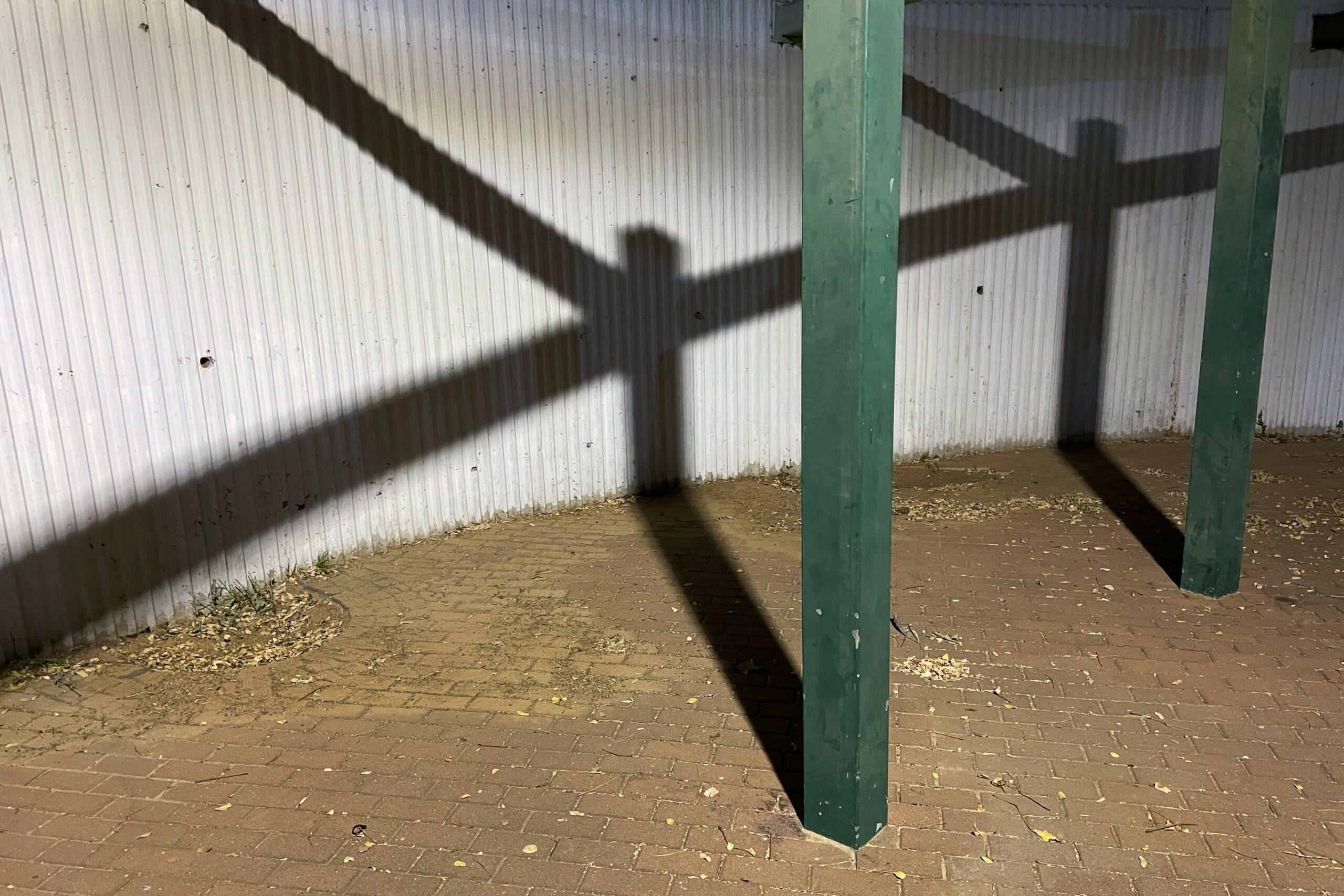
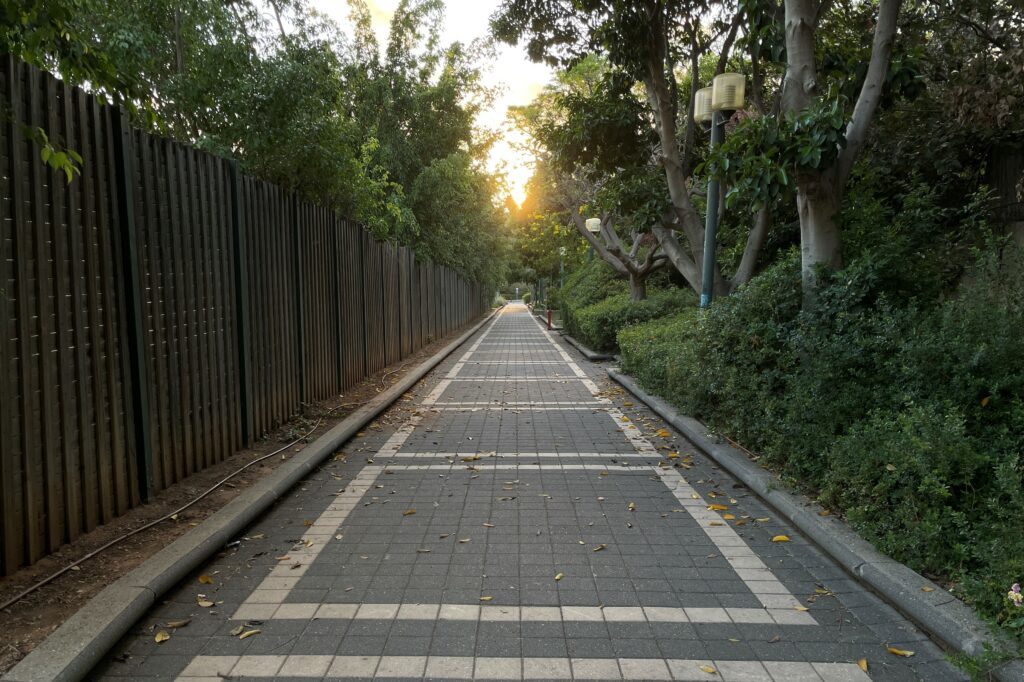

This is a project that I worked on as part of the course |The photographer’s voice”, in Zilum Baam school of photography.
Just as I was…
I am an amateur photographer. I like film photography, and mobile photography. My style focuses on minimalism, textures and light.
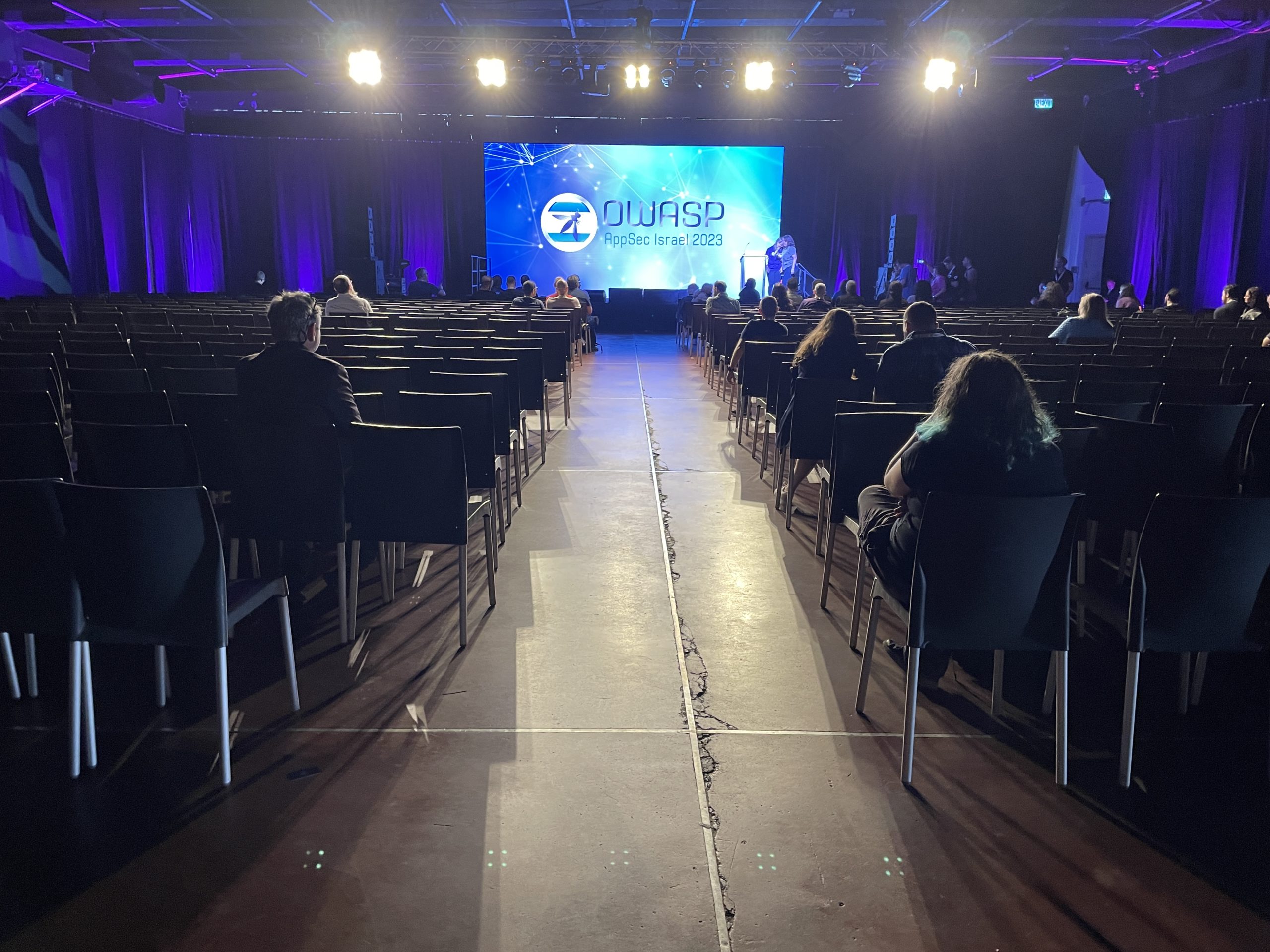
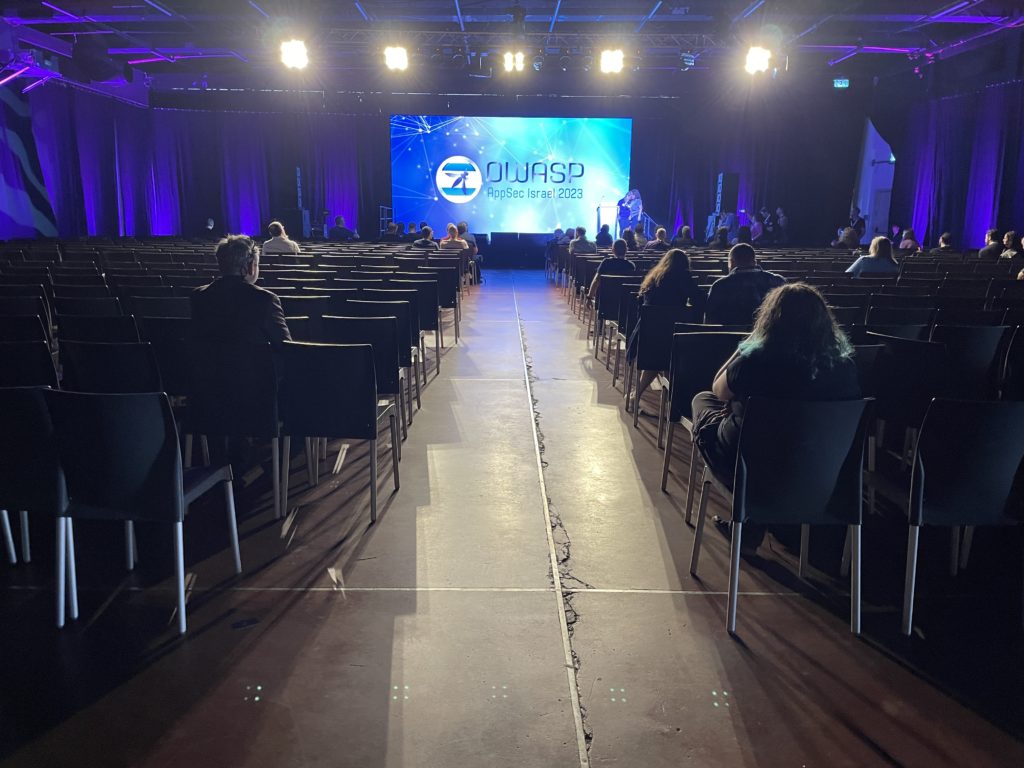
I attended OWASP’s AppSec Israel 2023 Conference. It took place in Tel Aviv Expo in May 2023.
https://appsecil.org/
Agenda: https://appsecil.org/Agenda
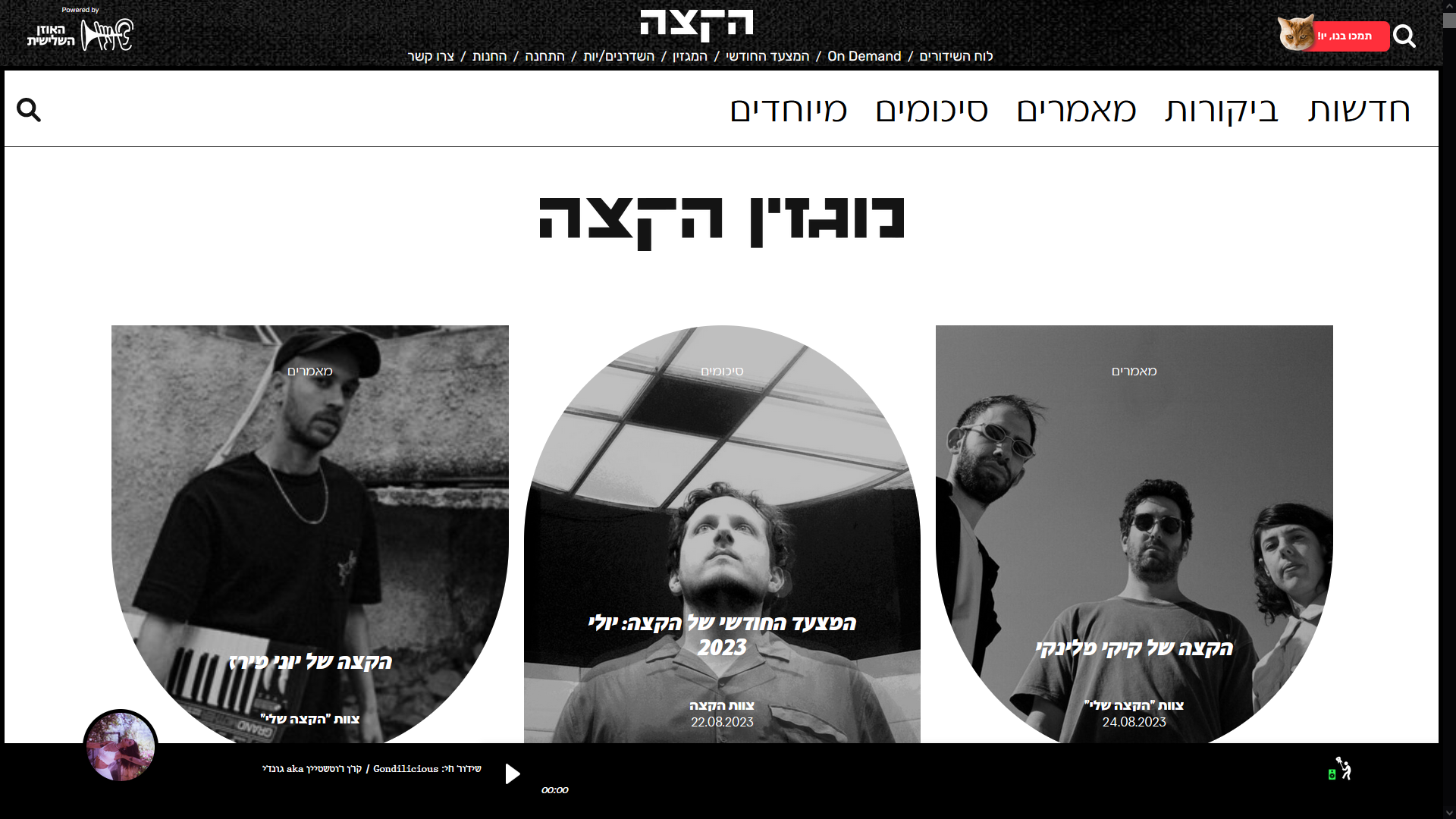
A few years after we launched the new website for the radio station, the team decided to take it one step further and to launched a magazine, and post articles on a regular basis.
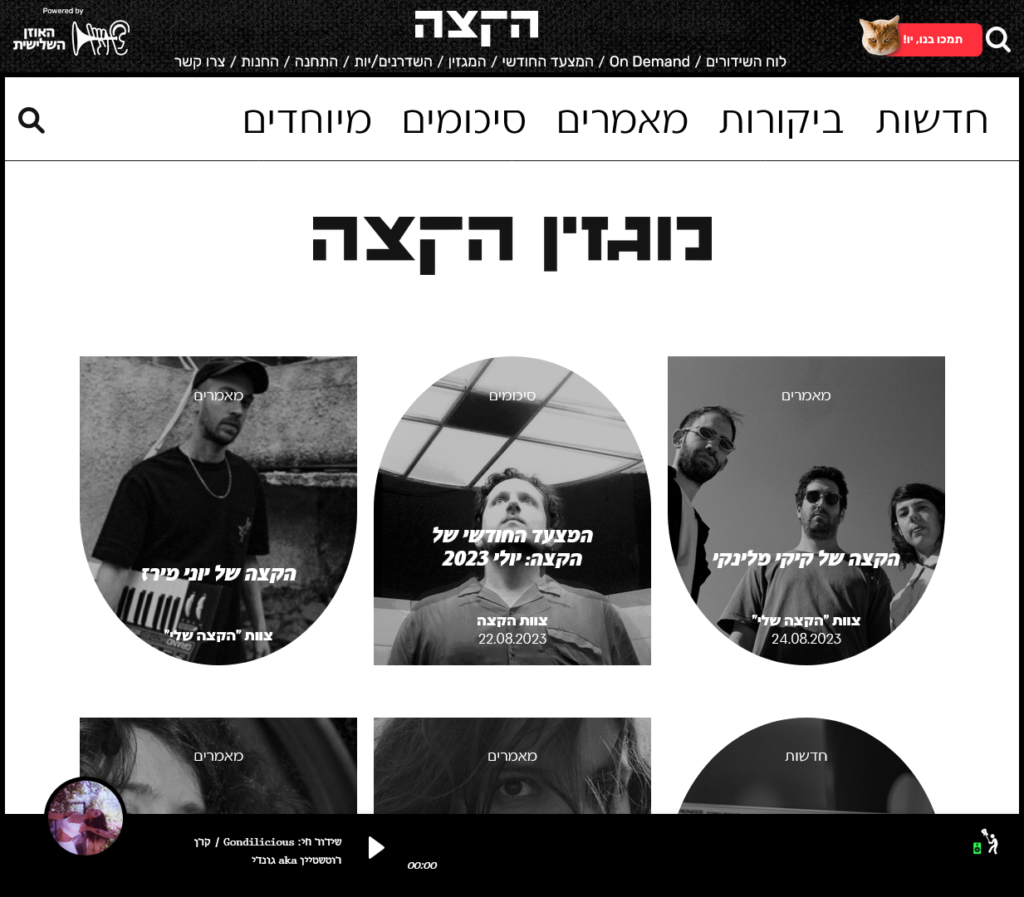
Initial discussions led us to the understanding that this would be almost a whole new website. We want to use the same DB and that the same users will have access; But it will have its own pages and information architecture, and its own design.
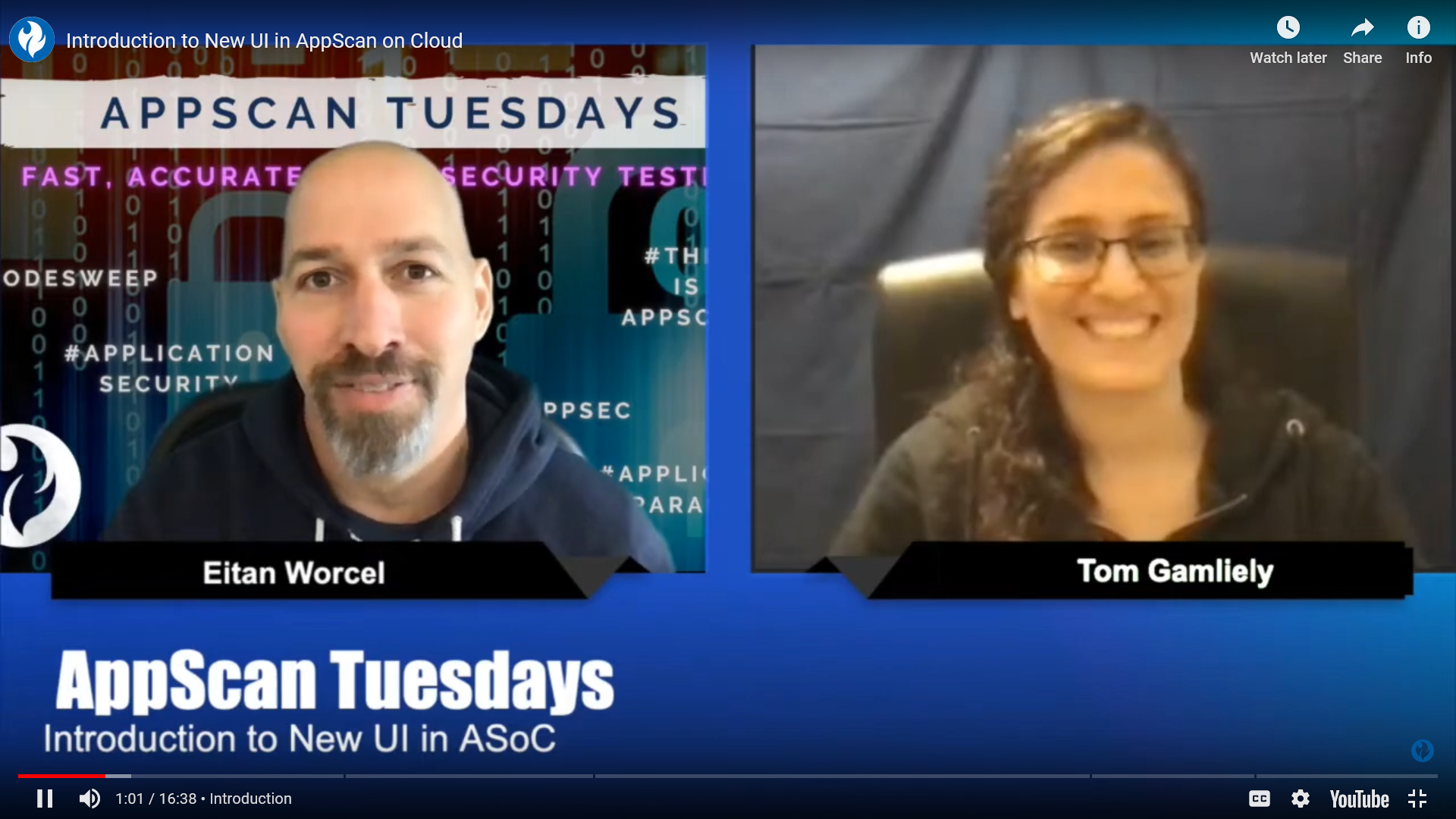
On March 2020 I was invited as a guest to the video blog “AppScan Tuesdays” and introduced the new UI that we designed for AppScan on Cloud.

A couple of months I visited Berlin. A short spring vacation. I checked the temperatures before my trip, it looked like a nice warm 20C. But by the time I got there, the temperatures dropped to 7C. Looked like winter was not ready to let go just yet. It was very cold, certainly more than I had expected and prepared for. I stopped feeling my nose. I couldn’t take my hands out of the gloves to take pictures. But I was fascinated by the colors. The skies were gray, and they brought out the colors of the city: The trees in transition from brown to bright green, the buses and trains in saturated yellow, and here and there a dash of orange or red to complete the set. I kept seeing these colors again and again, they stood out in many of the pictures that I took. So after I finished sorting the pictures, I created this palette.
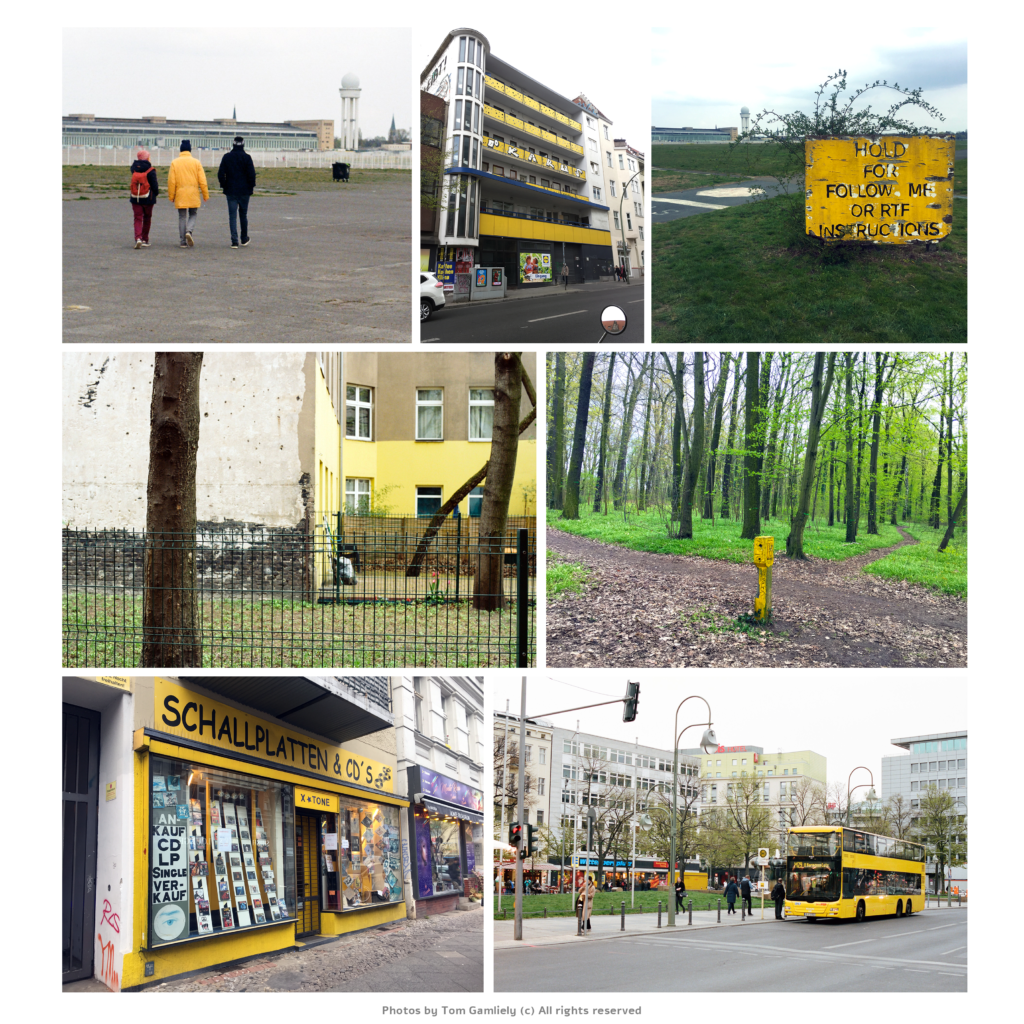
All the public transportation cars are yellow: The train, the buses, the light rail. Strong, saturated yellow, that stands out from afar. Signs and posts are also yellow. And occasionally I saw buildings with a soft yellow front.
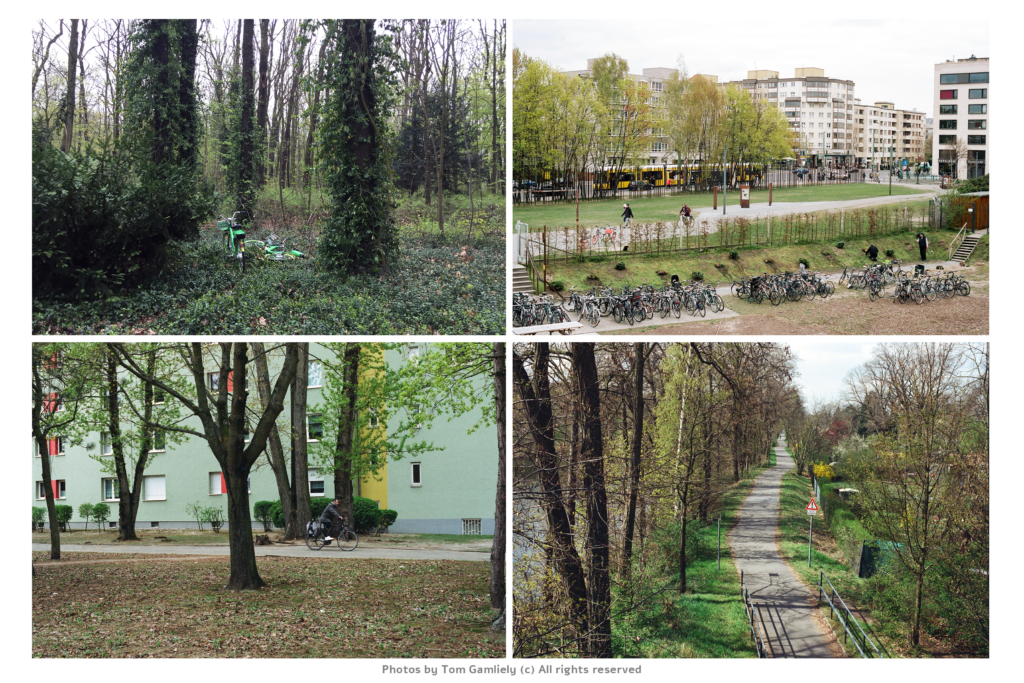
The city is full of parks, it’s fantastic. Most trees are very tall. There were at least two noticeable shades: the bottom leaves were dark green, while the top leaves were light green.
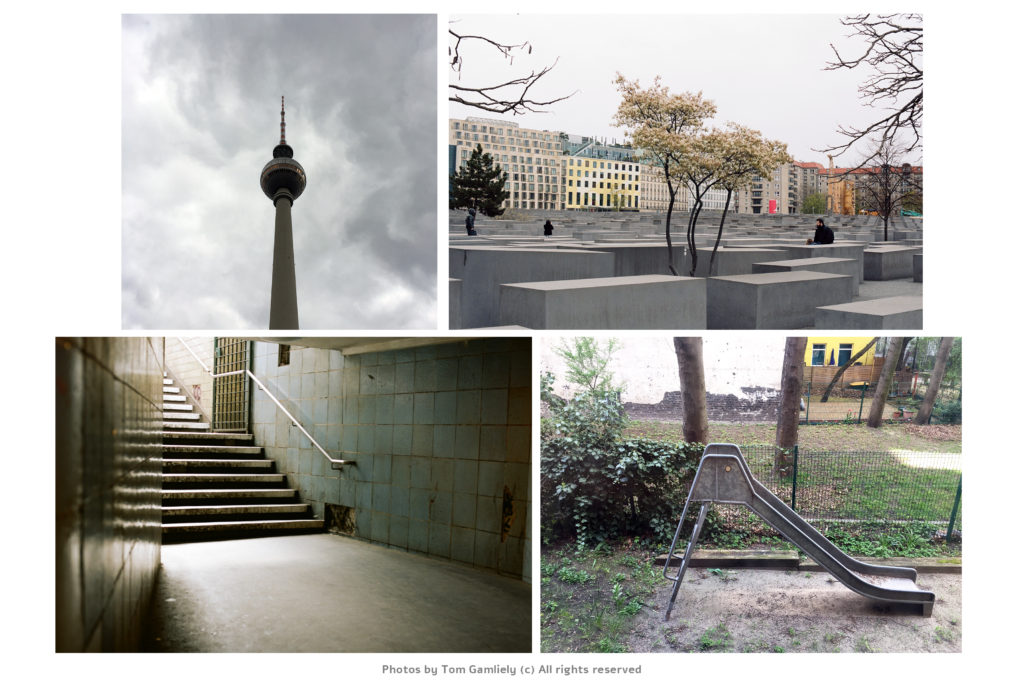
The dramatic skies were the perfect setting, and influenced every picture. But there were also structures, monuments, that wore the same cool gray.
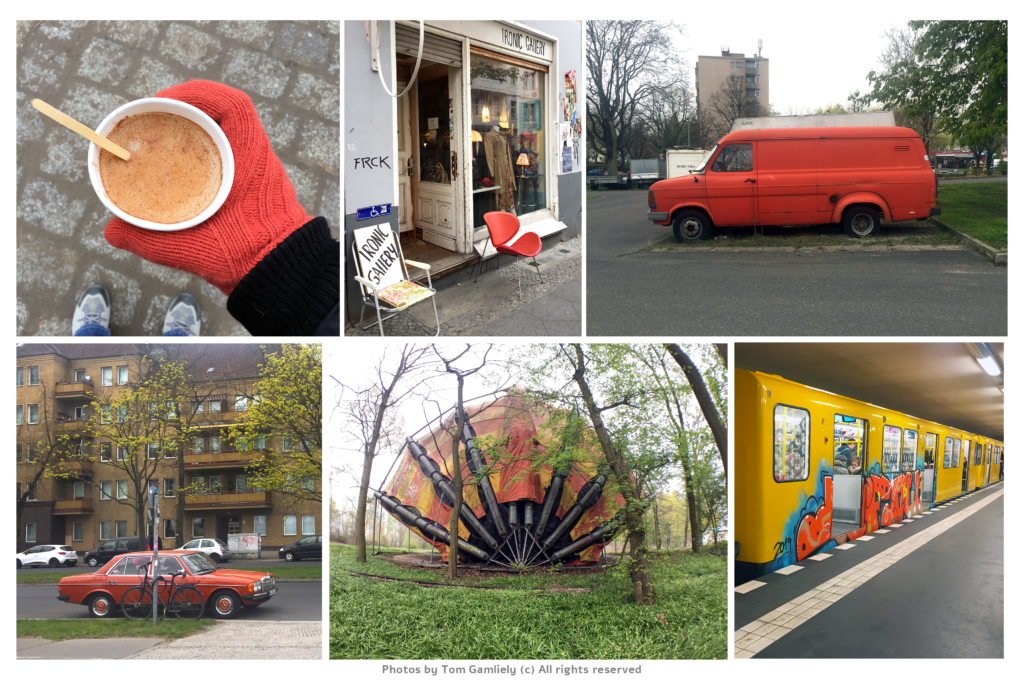
Orange seemed to fit very well with the green and the yellow. A car, a chair, some graffiti, it took the palette an extra step. Even the gloves that I bought there were orange.
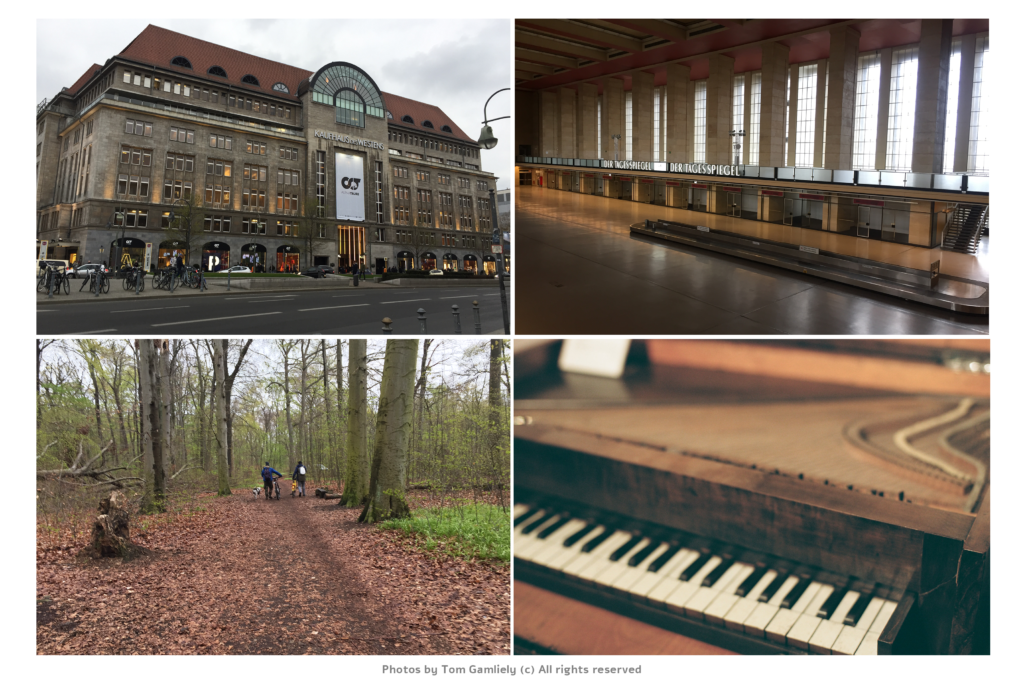
Another dramatic shade that was noticeable was dark brown. Buildings, mostly, inside and outside, but it was also seen at the parks.
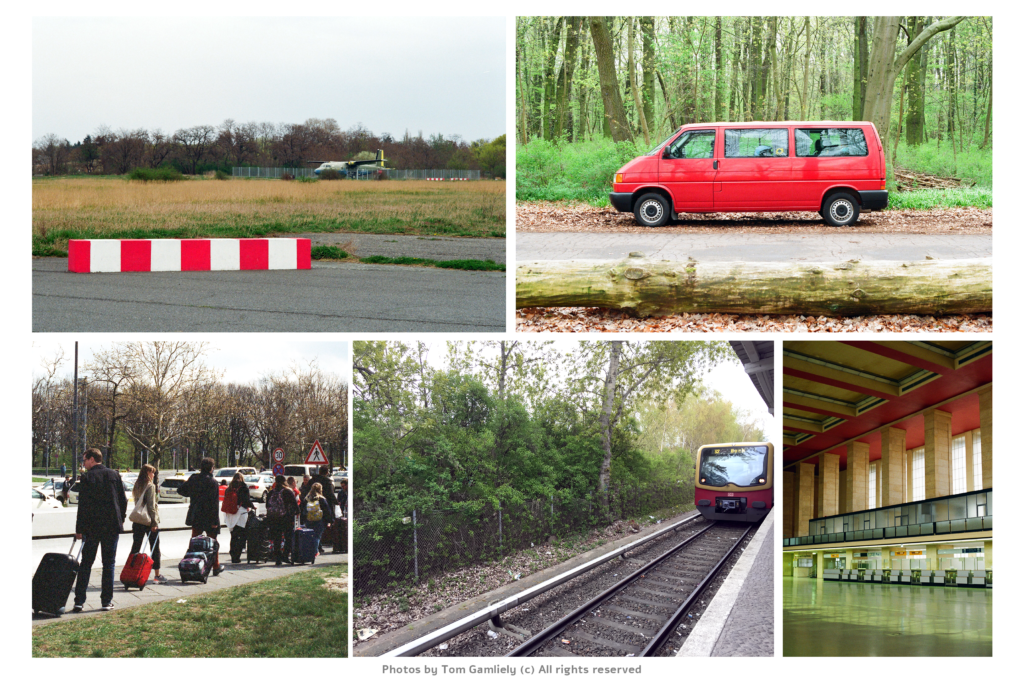
Red wasn’t as prominent as the other colors, but whenever I saw it, and it was always such a great touch.
Funny story, I was so cold, I must have searched for gloves at half a dozen stores at least. Whenever I walked in, and asked for gloves, the salesperson would shrug and say: We don’t sell gloves anymore, it’s summer! 😀
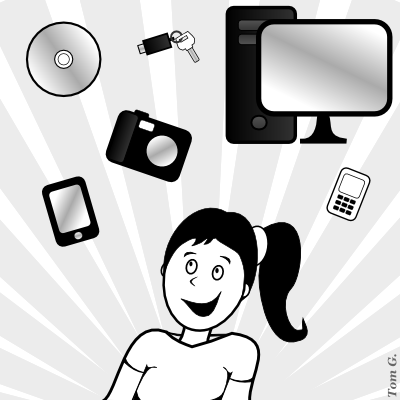
Between the years 2012-2018 I volunteered in programs designed to encourage and empower girls in high-school to learn more about Science, Technology, Engineering, and Math (“STEM)”, and to consider a career in the field. As part of the program, the girls are invited to visit IT companies, and meet the people who work there. Each company organizes the activities during the visit.
“Sodkot Et Tikrat Hazchuhit” (“Cracking the Glass Ceiling”) is a national program by “Kol Israel Haverim”.
[2016-2018] HCL Herzlia
[2014-2016] IBM Shefayim lab
[2012-2014] IBM Rehovot lab – “Hitechit”
Before the collaboration with “Sodkot”, the women of IBM Rehovot lab created an original program, with similar goals. We called it “Hitechit”. I had the privilege to work with two amazing women from the lab, together we built this program and coordinated the volunteers. Later on I presented the program and its achievements in several events.
Each company plans the content of the visit.
My role was to coordinate the volunteers from our company, and to plan the activities and timeline of the visit.
The main focus was to let the girls meet the women who work at the site, hear their personal stories, and learn about the different professions in the industry (developers, designers, product managers, QA…). In addition, we’ve organized hands on workshops, designed to expose them to our work process, and encourage team work, creativity, innovation and leadership.
Link:
“Hitech-It” project was a program that we created together, the women of IBM Rehovot. I was one of three women organizers.
Each of the women who volunteered in the program was requested to prepare a presentation explaining how she got to work in this profession.
We each chose a different approach: I decided to focus on a question that bothered me a lot when I was younger – “What will I be when I grow up?”…
My role:
In addition, I’ve created a tumblr minisite with links to various resources online so we have have a discussion on them with the girls:
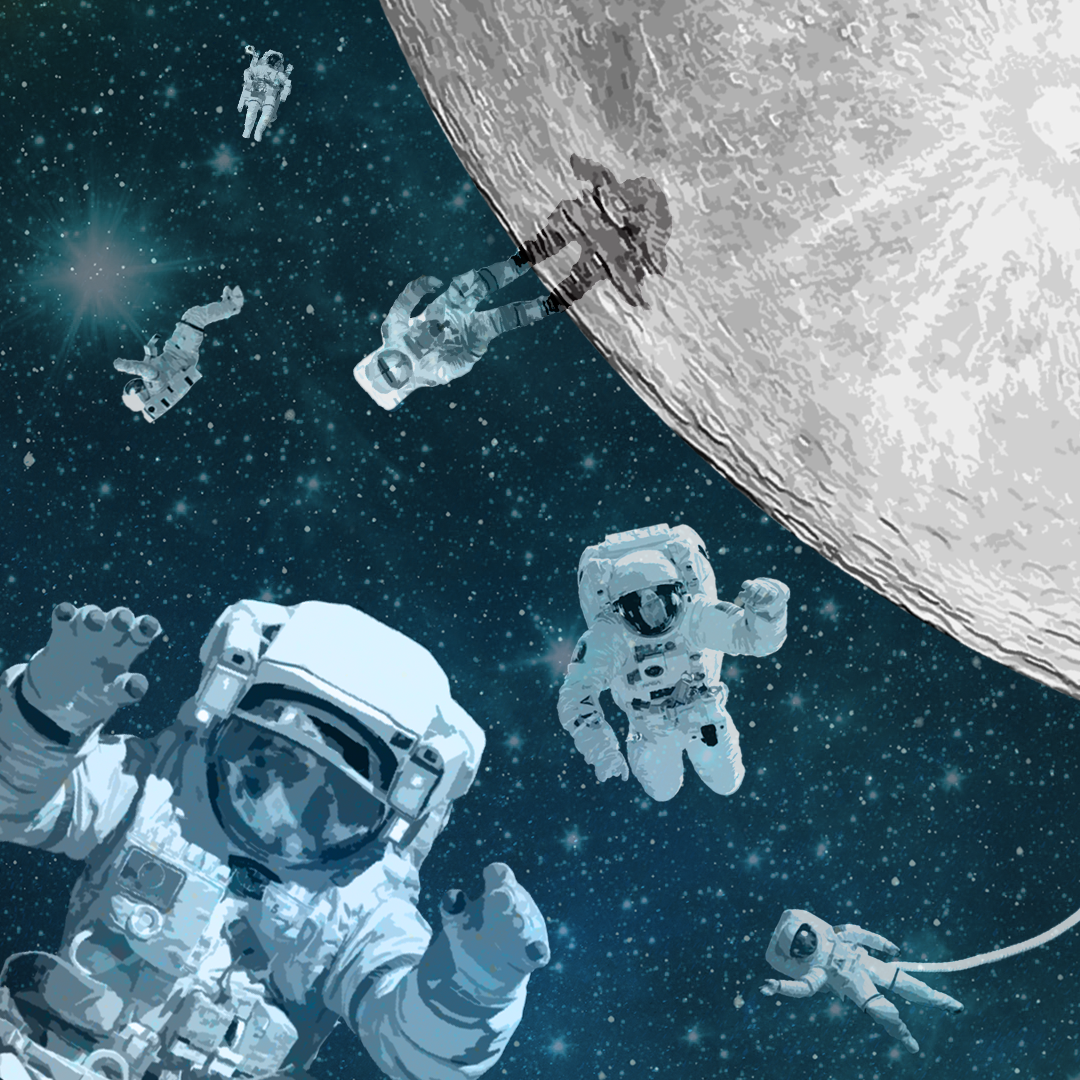
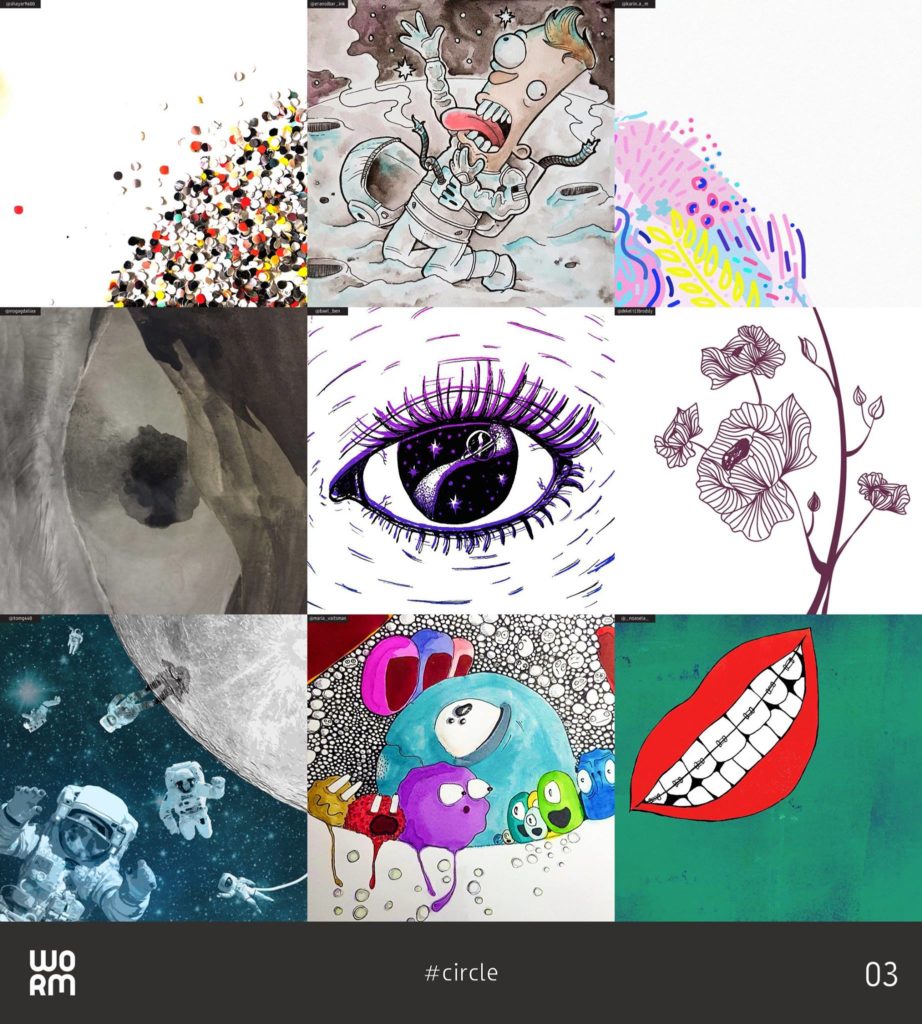
TWP is a collaborative project that brings together artists from different mediums to create a single work of art.
Here are the rules of the game: The moderator creates a canvas with a basic shape or theme, and then divides it into 9 equal tiles. Each participant gets a single tile, and has to draw or design something creative in that space, in whichever style they like, while keeping with the lines of the piece of the shape that they got. None of the participants know what the others choose to do. After all have submitted their design, the moderator puts all the tiles back together to a single canvas.

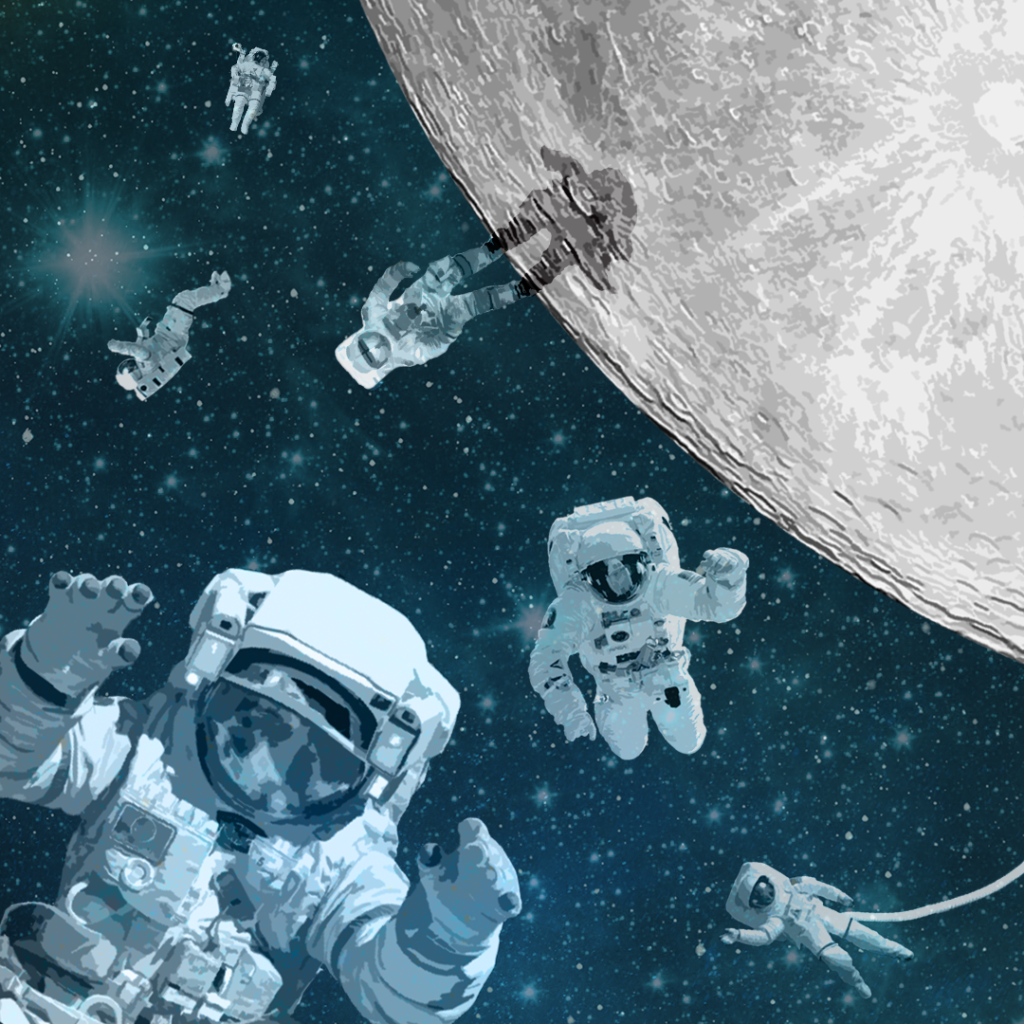
Being a space-exploration fan, I decided to go with the moon as a theme. To get the feel that I wanted, I used free images from #NASA flickr and image archive.
Here’s what I have submitted:
—
Artists, designers, illustrators, photographers – they are looking for you! Send them a msg and join the next worm project!
Instagram: @wormproject
Facebook: facebook.com/wormproj
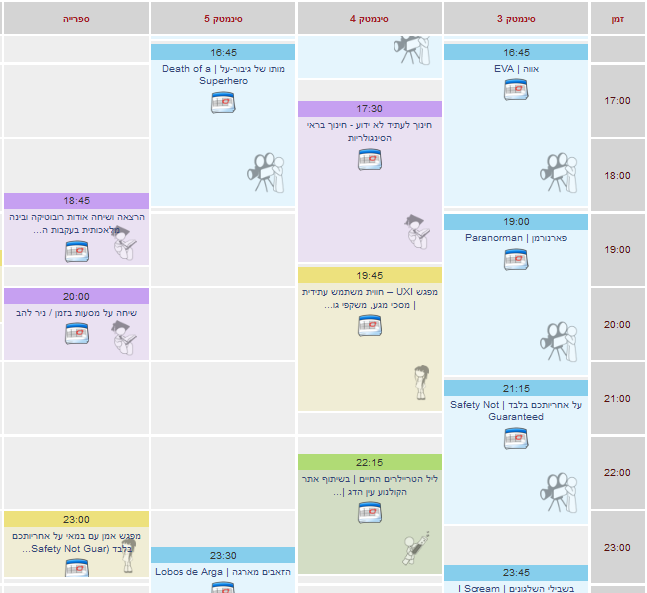
The festival is held annually during Sukkot holiday in Cinematheque Tel Aviv. It attracts thousands of visitors every year. It is managed entirely by volunteers.
I love Science Fiction and I volunteers in the festival staff for a few years, in different roles. In 2008 and 2009 I was a member of the website team.
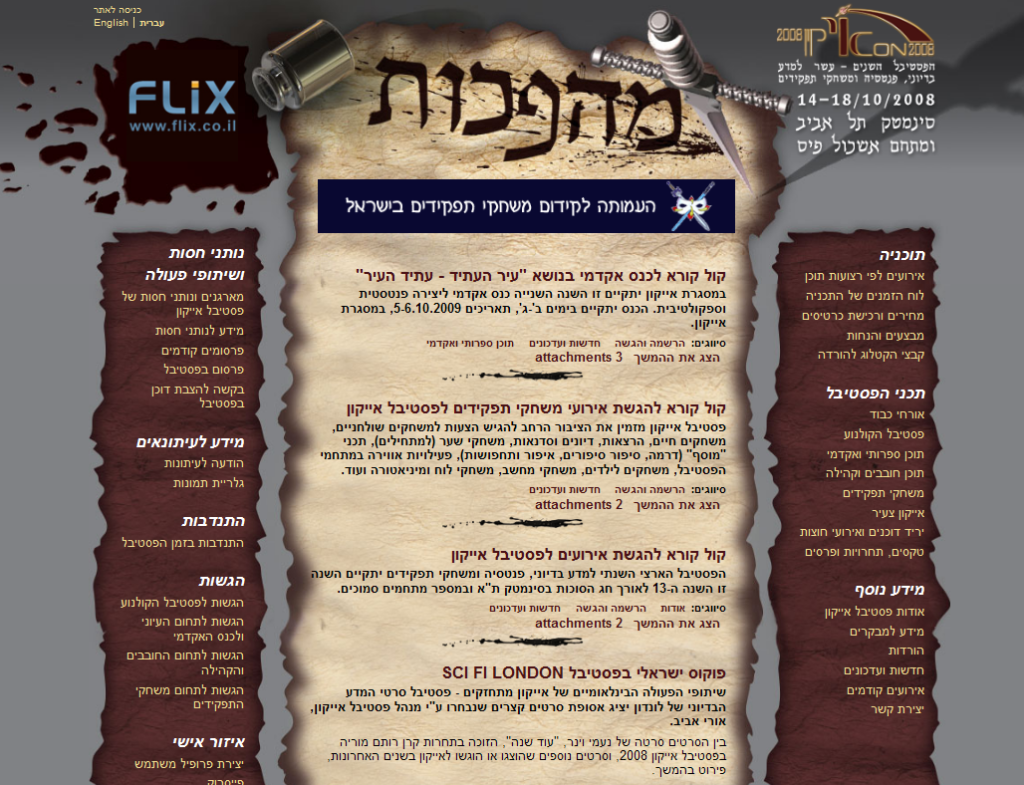
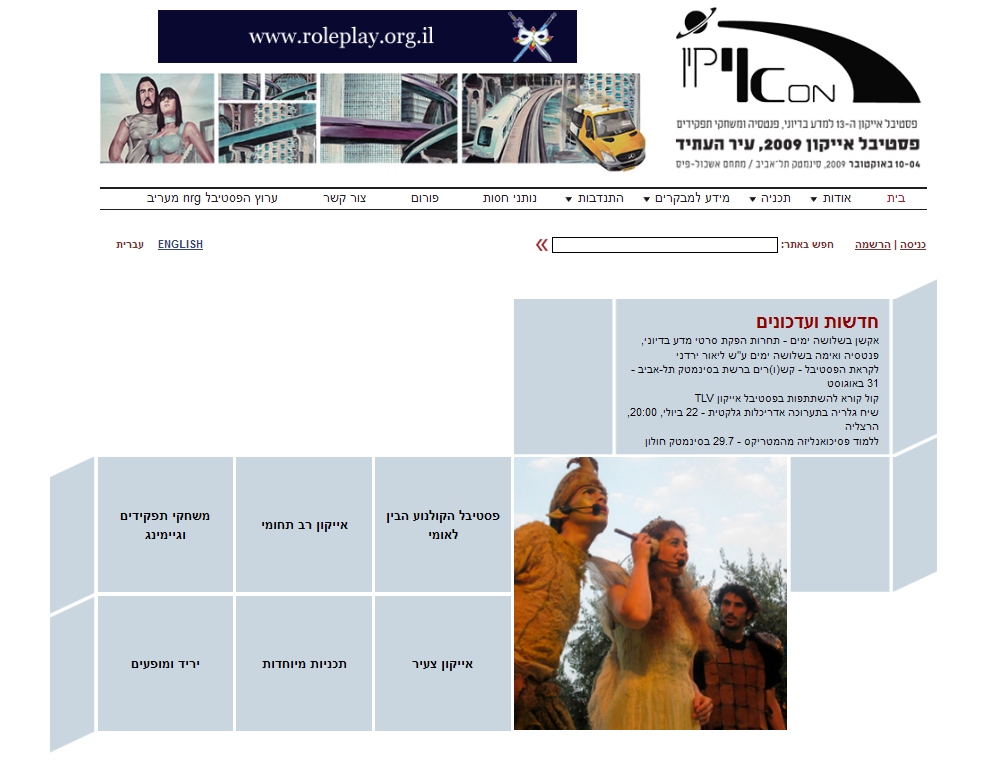
Our goal was to create an informative and attractive website, that will support the festival’s work year round: Enabling the website team to add and edit content on a daily basis; Recruiting volunteers to the festival staff; Enabling lecturers and film makers to submit events to the festival content committees; And of course, enabling visitors to navigate through the festival schedule with ease.
We chose Drupal content management system for the task. The following year, we moved on to create a new and improved version of the website.
The festival schedule was absolutely huge. The website had to display information about hundreds (!) of events, of different types (movies, lectures, games… ) and genres (sci-fi, fantasy, comics…), spanning over 7 days, and no less than 10 (!) venues. So the first challenge was to figure out the best way to display all the events, taking place at the same time, in a manner that will be easy to navigate.
In addition, the system had to support adding events to the schedule (by the festival team). Sometimes, the same event would appear several times. Not to mention, there were constant changes: various constraints caused the festival team to change hours or even locations of events. To deal with this difficulty, we separated between event information and its time slots (instances); So the editor could easily edit a specific time slot of an event without affecting its description or other schedule appearances.
The second challenge was handling the load. In the weeks prior to the festival, the website had to handle thousands of visitors. It was very important that each visitor will be able to find the content that he or she is interested in with ease, and maybe even purchase tickets online. This would take some of the the pressure off the phone lines and keep the costumers happy.
I organized and prioritized the requirements as collected from the festival manager, festival staff and users. I configured the site settings and backoffice interface for the festival staff.
We were a strong team of four: one Drupal developer, one graphic designer, one Drupal theme designer, and myself – the team leader.
I met with the festival management several times to analyze requirements, and create extensive and elaborate documents (which later on served us in every step of the process). I coordinated the team’s work and kept to schedule and dead-lines. I was also in charge of the configuration of the Drupal and website administration.
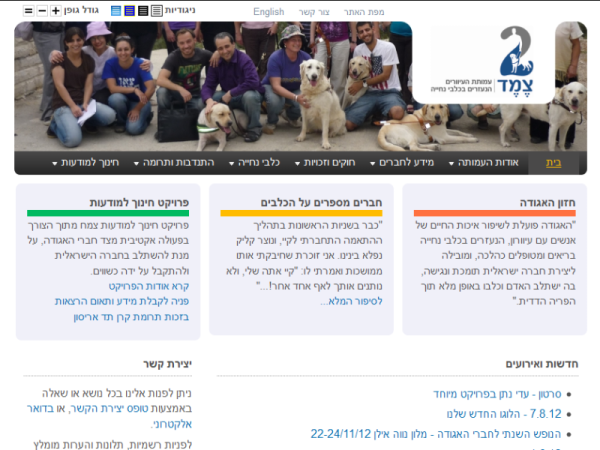
A few years ago I volunteered to build a new website for the The Israeli Guide Dog Users Association [IGDU].
The challenge was to create an accessible website, that the organization can use to communicate with both its members (who are blind or partially sighted) and potential collaborators.
I was happy to do it as this was something that I very much wanted to learn. I worked closely with the administrative staff, some are partially sighted, and they introduced me to various tools and mechanisms that help surf the internet without seeing anything: screen readers, Braille keyboards, and more. I learned a lot from this experience.
The website was built in Drupal. In addition, special modules were used to enable changing font size, colors and contrast. The code had to be very strict and valid for everything to work properly.